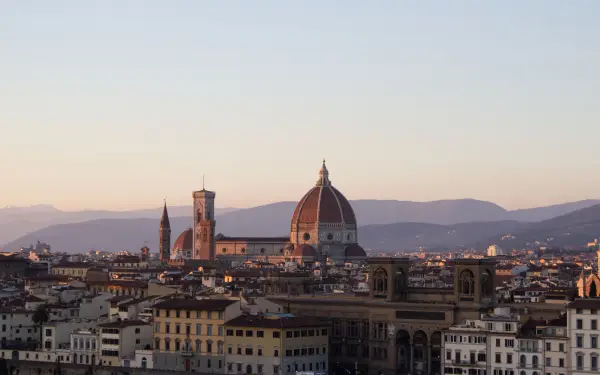
Why are churches built the way they are? A short tour of the words you will meet on your next visit.
Walk into an old church and the building tells you a story. A few words will help you read it.
Nave
The long central space where the congregation sits or stands. The word comes from the Latin for ship.
Aisle
The side passages that run beside the nave, usually separated from it by columns or arches.
Transept
The arms that cross the nave to make the shape of a cross when seen from above.
Apse
The curved or polygonal end of the church, usually behind the altar.
Spire and tower
Tall structures that point towards heaven, hold bells, and let people see the church from far away.
Rose window
A large circular window, often filled with stained glass, found on the front or ends of many Gothic churches.
Buttress
A support built against an outer wall, letting medieval builders make walls taller and fill them with glass.
The next time you visit a church, stand in the nave, look up, and see how many of these you can find.
