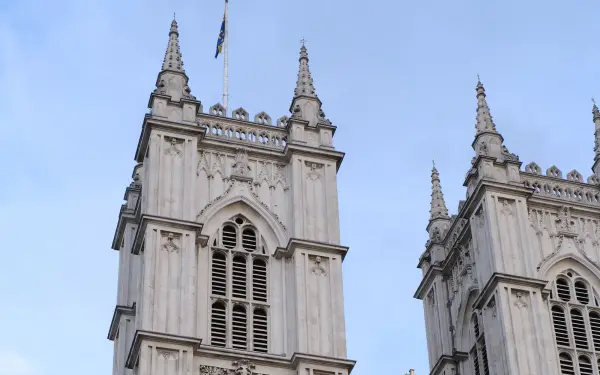
Catholic, Anglican, Orthodox, Lutheran, Presbyterian: what the names mean, and how worship differs between them.
Christians have worshipped in different ways for two thousand years. The names on a church sign can look confusing, so here is a short, plain guide to the traditions you are most likely to meet.
Catholic
The largest Christian tradition. Worship centres on the Mass, with readings, prayer and communion. Catholic churches are led by priests, and cathedrals are the seat of a bishop.
Orthodox
The Eastern Orthodox churches keep an ancient liturgy, sung in full. Services are long and often held in the local language. Visitors are welcome to stand and watch.
Anglican
The tradition of the Church of England and its sister churches around the world, including the Episcopal Church in the United States. Worship is liturgical and often musical, and many cathedrals are famous for their choirs.
Lutheran
Churches of the Reformation tradition of Martin Luther, common across Northern Europe, North America and Australia. Worship centres on hymns, scripture, a sermon and communion.
Presbyterian and Congregational
Reformed churches governed by elders, or by the congregation itself. Many have a long tradition of preaching and congregational singing, and some meet in the white wooden churches of New England.
Non-denominational
Independent churches that are not part of a larger denomination. Services vary widely, and many have contemporary music, kids programs and small groups.
Whatever the name, the best way to learn what a church is like is to visit.
